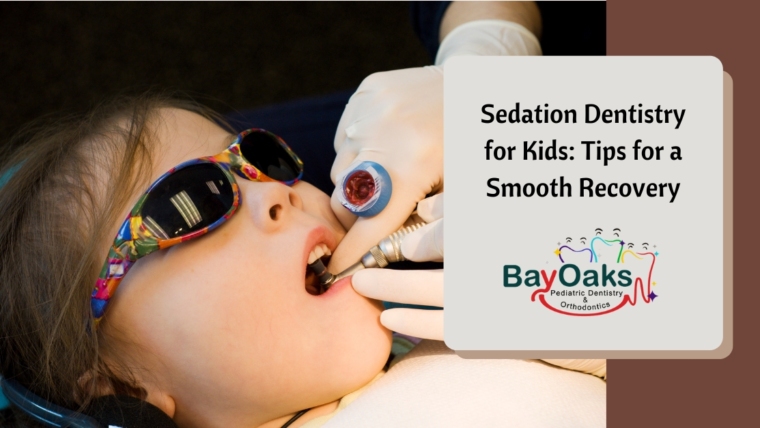

Inside a Special Needs Dental Visit: What Makes It Different from Traditional Care?
Inside a Special Needs Dental Visit: What Makes It Different from Traditional Care?
Dental visits can feel intimidating for any child, but for those with physical, developmental, or sensory challenges, the experience can be especially overwhelming. That’s where Special needs dentistry comes in. It’s not just about treating teeth; it’s about understanding the whole child, adapting the environment, and creating a space where care feels safe, predictable, and compassionate.
In this blog, we’ll walk you through what truly happens inside a special needs dental visit, how it differs from a traditional appointment, and why these thoughtful adjustments make all the difference for families.
Why Traditional Dental Visits Don’t Always Work for Every Child
Most dental offices are designed for efficiency: bright lights, unfamiliar sounds, and quick transitions between procedures. While this works for many patients, it can be overwhelming for children who:
- Have sensory sensitivities
- Struggle with communication
- Experience anxiety or behavioral challenges
- Require physical accommodations
A traditional approach may unintentionally increase stress, making even simple procedures difficult. That’s why specialized care is essential, not optional, for many families.
What Sets a Special Needs Dental Visit Apart?
A Personalized Approach from the Start
Unlike standard appointments, special needs dental visits begin long before a child sits in the dental chair. Dentists and staff often:
- Speak with parents in advance
- Review medical and behavioral histories
- Identify triggers, sensitivities, and comfort preferences
This preparation helps create a tailored experience that supports the child’s unique needs.
A Sensory-Friendly Environment
One of the most noticeable differences is the environment itself. Instead of a busy, overstimulating setting, special needs dental offices focus on minimizing stressors.
Key adjustments may include:
- Dimmed lighting instead of bright overhead lights
- Quiet rooms or reduced noise levels
- Weighted blankets or comfort items
- Minimal waiting times to avoid overstimulation
These small but powerful changes help children feel calmer and more in control.
More Time, Less Pressure
Traditional dental visits are often time-bound. In contrast, special needs appointments are intentionally flexible.
Dentists may:
- Allow extra time for the child to adjust
- Break procedures into smaller steps
- Pause frequently to ensure comfort
This slower pace builds trust and reduces anxiety, making future visits smoother.
Communication That Meets the Child Where They Are
Using Visual and Behavioral Techniques
Communication isn’t one-size-fits-all. Special needs dental professionals are trained to adapt their communication style based on the child’s abilities.
Techniques often include:
- “Tell-Show-Do” method
- Visual schedules or picture guides
- Simple, clear language
- Positive reinforcement and praise
These strategies help children understand what’s happening, reducing fear of the unknown.
Partnering with Parents and Caregivers
Parents play a crucial role during these visits. Dentists often encourage caregiver involvement to:
- Provide comfort and reassurance
- Share insights about the child’s behavior
- Help guide communication
This collaboration creates a supportive team environment focused on the child’s well-being.
Modified Treatment Techniques for Comfort and Safety
Gentle Handling and Adaptive Tools
Dental professionals may use specialized tools and techniques to ensure comfort, such as:
- Smaller instruments for sensitive mouths
- Desensitization techniques
- Positioning aids for physical support
Every adjustment is designed to make treatment safer and less intimidating.
Sedation Options When Needed
For children who experience severe anxiety or require extensive procedures, sedation can be a helpful option.
Common types include:
- Nitrous oxide (laughing gas)
- Oral sedation
- General anesthesia for complex cases
These options are carefully evaluated and administered to ensure safety and effectiveness.
Building Trust Over Time
The First Visit May Look Different
In many cases, the first appointment isn’t about treatment at all. It’s about:
- Exploring the environment
- Meeting the dental team
- Sitting in the chair without pressure
This gradual introduction helps children feel more comfortable returning for future visits.
Consistency Creates Confidence
Seeing the same dental team regularly can make a huge difference. Familiar faces, routines, and environments help children:
- Feel secure
- Reduce anxiety
- Develop positive associations with dental care
Over time, what once felt overwhelming can become manageable, even routine.
The Role of Training and Expertise
Special needs dental care requires advanced training beyond general dentistry. Professionals in this field understand:
- Behavioral management techniques
- Medical complexities and contraindications
- How to adapt care for various conditions
This expertise ensures that every child receives not just treatment but the right kind of treatment.
Long-Term Benefits of Specialized Dental Care
Choosing the right dental approach doesn’t just improve one visit; it shapes a child’s lifelong relationship with oral health.
Key benefits include the following:
- Reduced dental anxiety
- Better oral hygiene habits
- Early detection of dental issues
- Improved overall health and confidence
When children feel safe, they’re more likely to continue regular dental visits into adulthood.
Choosing the Right Dental Home
Finding the right provider can make all the difference. Look for a practice that:
- Has experience with diverse needs
- Offers flexible scheduling
- Prioritizes patient comfort
- Communicates openly with families
Frequently Asked Questions (FAQs)
1. How is a special needs dental visit different from a regular one?
It focuses on personalized care, longer appointment times, and sensory-friendly adjustments to reduce stress and improve cooperation.
2. Can parents stay with their child during the appointment?
Yes, most practices encourage parental involvement to provide comfort and support.
3. What if my child is afraid of the dentist?
Dentists use behavioral techniques, gradual exposure, and sometimes sedation to help children feel safe and relaxed.
4. Are these dental visits safe for children with medical conditions?
Absolutely. Dentists review medical histories and often coordinate with healthcare providers to ensure safe, effective care.
5. How can I prepare my child for their visit?
You can use visual aids, talk positively about the experience, and choose a dentist experienced in working with children who have special needs.
A special needs dental visit isn’t just a modified version of traditional care; it’s a completely reimagined experience built around empathy, patience, and understanding. From the environment to communication and treatment techniques, every detail is designed to meet children where they are.
If you’re looking for a dental team that truly understands your child’s needs, consider scheduling a visit with Special Needs Dentistry in Clear Lake City, Houston, TX. Their compassionate approach and specialized expertise can transform dental care into a positive and empowering experience for your child.