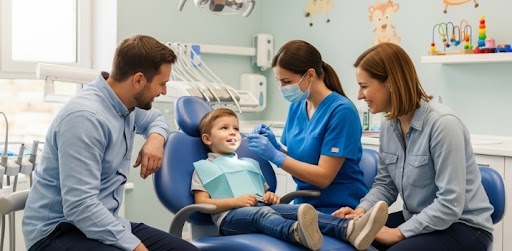

Transforming Oral Care for Kids with Special Needs: What Parents Must Know
Transforming Oral Care for Kids with Special Needs: What Parents Must Know
Children with special needs often face unique challenges when it comes to oral health. Physical, developmental, or medical conditions can make brushing, flossing, and routine dental care more difficult, putting them at higher risk for cavities, gum disease, and other complications. Special needs dentistry is a specialized field dedicated to addressing these challenges and ensuring children receive safe, effective, and compassionate care.
Early intervention is critical. Pediatric dental experts stress that starting specialized care as soon as possible not only prevents oral health problems but also supports overall well-being. Delayed care can lead to pain, infections, and increased stress for both children and caregivers.
Understanding Special Needs Dentistry
- Autism spectrum disorders
- Cerebral palsy
- Down syndrome
- Developmental delays
- Physical disabilities
- Chronic medical conditions
These children may struggle with oral hygiene due to limited dexterity, sensory sensitivities, or behavioral challenges. Medications, diet, and medical treatments can also affect oral health, making professional guidance essential.
Case Example: A 6-year-old with developmental delays struggled with plaque accumulation and frequent cavities. After initiating a tailored dental care plan including adaptive toothbrushes, visual schedules, and gentle guidance, the child’s oral health improved significantly within six months, avoiding invasive procedures.
Challenges in Oral Health
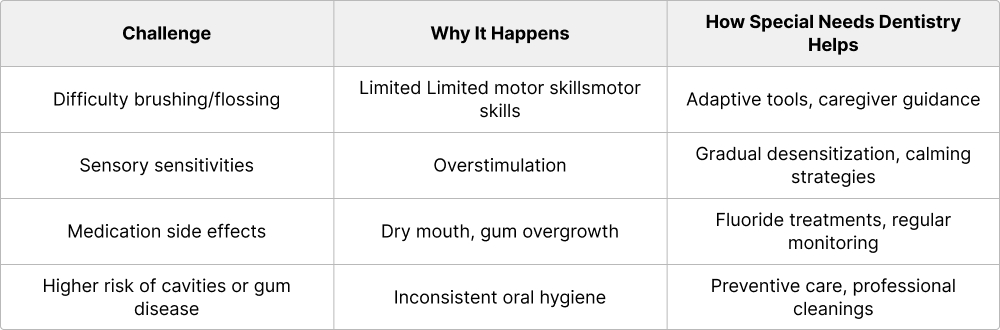
Why Early Care Makes a Difference
Starting dental care early prevents minor issues from becoming severe problems. Children who receive proactive care experience fewer emergencies and avoid complex procedures later in life. Pediatric dental specialists recommend initiating visits as soon as the first tooth appears or by the child’s first birthday.
Statistic: Children with special needs who start dental care early are 50% less likely to require emergency dental treatment compared to those who begin later.
Strategies for Successful Dental Care
Pediatric dentists employ a variety of approaches to meet the needs of children with special needs:
- Gradual Familiarization: Introducing dental instruments, sounds, and procedures slowly to reduce anxiety.
- Sedation and Comfort Techniques: When necessary, mild sedation or nitrous oxide ensures safe and stress-free treatment.
- Adaptive Tools: Specialized toothbrushes, floss holders, and other instruments accommodate limited motor skills.
- Collaborative Care: Dentists work closely with caregivers, therapists, and physicians to create individualized care plans.
Case Study: A 10-year-old with autism initially resisted dental visits. Through sedation, visual schedules, and positive reinforcement, the child completed cleanings successfully, establishing long-term oral health habits.
Home Care Considerations
Maintaining oral health at home is essential. Pediatric dental experts recommend:
- Brushing twice daily with soft or adaptive toothbrushes
- Flossing with holders or interdental brushes
- Limiting sugary foods and drinks
- Rinsing with fluoride mouthwash if recommended
- Keeping a visual routine to help children remember daily oral care
Addressing Misconceptions
Myth: Children with special needs cannot tolerate dental treatment.
Fact: With trained staff, tailored approaches, and a supportive environment, most children can receive routine dental care successfully.
Myth: Only complex procedures need specialized attention.
Fact: Preventive care, including check-ups and cleanings, is crucial to avoid complications.
Myth: Sedation is unsafe for special needs children.
Fact: Pediatric dental experts carefully evaluate each child’s medical history and safely use sedation when necessary.
The Broader Impact on Health
Proper dental care influences more than just teeth. Poor oral hygiene in children with special needs can contribute to infections, nutritional issues, and behavioral problems. Studies show that children receiving regular dental care have 40% fewer hospital visits due to preventable oral infections.
Example: A teenager with cerebral palsy had repeated respiratory infections linked to oral bacteria. After consistent preventive dental care and home hygiene routines, the frequency of infections dropped significantly, improving overall health.
Choosing the Right Dental Provider
Selecting an experienced pediatric dentist is critical. Parents should look for professionals who:
- Specialize in treating children with physical, developmental, or medical challenges
- Employ gentle, child-centered care strategies
- Coordinate with healthcare providers for comprehensive care
- Focus on preventive care to minimize invasive treatments
A provider with specialized skills ensures safe, comfortable, and effective dental care tailored to each child’s needs.
Building Lifelong Healthy Habits
Early and consistent dental care establishes lifelong habits. Children who receive specialized attention are more likely to maintain oral hygiene, avoid complications, and feel comfortable at the dentist. Parents play a crucial role by supervising daily care, providing a balanced diet, and scheduling regular dental visits.
Case Example: A 7-year-old with Down syndrome developed confidence in brushing and visiting the dentist through consistent support and positive reinforcement. This early intervention reduced the need for sedation and complex treatments later.
Ensuring Healthy Futures
Special needs dentistry transforms oral health for children with unique challenges. Through early intervention, personalized strategies, and expert care, parents can ensure their children maintain healthy, confident smiles while reducing the risk of complications. Investing in specialized dental care not only protects teeth and gums but also enhances overall well-being, fostering a lifetime of healthy habits and positive experiences with dental care.
Frequently Asked Questions
1. What is special needs dentistry for children?
Special needs dentistry focuses on providing tailored dental care for children with physical, developmental, behavioral, or medical conditions.
2. When should a child with special needs first see a dentist?
Dental visits should begin by the child’s first birthday or when the first tooth erupts.
3. Is dental treatment safe for children with special needs?
Yes. Pediatric dental specialists use customized techniques and careful monitoring to ensure safety and comfort.
4. How do dentists manage sensory sensitivities during visits?
5. Can sedation be used for children with special needs?
6. Why are children with special needs at higher risk for cavities?
Factors such as limited motor skills, medications, diet, and difficulty maintaining oral hygiene increase cavity risk.
Special needs dentistry plays a vital role in ensuring that children with physical, developmental, or medical challenges receive the safe, compassionate, and effective oral care they deserve. Through early intervention, personalized treatment plans, and close collaboration with caregivers and healthcare providers, pediatric dental specialists can prevent painful complications, reduce anxiety, and promote long-term oral health. Consistent professional care combined with supportive home routines helps children build confidence, comfort, and positive dental habits that last a lifetime. For families seeking trusted Pediatric dentistry in Clear Lake City, 77062, choosing a provider experienced in special needs care can make a meaningful difference in both oral health outcomes and overall quality of life.