Best Age for Braces for Kids: When Should Your Child Start?

Best Age for Braces for Kids: When Should Your Child Start?

Many parents wonder when the right time is to start braces for kids. Some children develop straight teeth naturally, while others may need orthodontic help as their mouth grows. The best age for braces depends on how your child’s teeth and jaw are developing – but starting at the right time can make treatment easier, shorter, and more effective.

Knowing when to begin orthodontic care can help prevent crowded teeth, bite problems, and future dental issues. In this guide, we’ll explain the best age for braces, early warning signs, and how you can make the right choice for your child’s smile.

Why the Right Age for Braces Matters

A child’s mouth is still growing. Their jaw is developing, baby teeth are falling out, and adult teeth are coming in. This stage of growth is actually a great opportunity. When orthodontic problems are found early, they are often easier to fix.
Starting braces for kids at the right time can:
  • Make space for adult teeth
  • Guide the jaw into the right position
  • Improve how the teeth fit together
  • Reduce the chance of more serious problems later
Waiting too long can allow small issues to turn into bigger ones that take longer to treat.

When Should Kids First Be Checked?

Most dental experts recommend that children get their first orthodontic checkup around age 7. This doesn’t mean your child will get braces right away. It simply allows the dentist to see how things are developing.
At this age, kids usually have a mix of baby teeth and adult teeth. This makes it easier to spot:
  • Crowding
  • Bite problems
  • Jaw growth issues
  • Teeth that may not come in correctly
Sometimes no treatment is needed yet. Other times, early care can prevent more complicated treatment later.

What Is the Best Age to Start Braces for Kids?

Most children who need braces begin treatment between ages 9 and 14. This is when most permanent teeth are in, but the jaw is still growing. Teeth move more easily during this time, making braces more effective.
This age range is often ideal because:
  • Teeth respond well to treatment
  • The jaw can still be guided into better alignment
  • Treatment is usually shorter and smoother
Some kids may need treatment earlier, and others can wait longer. Every child is different.

Signs Your Child May Need Braces

You don’t need to be a dental expert to notice when something doesn’t look right. Some common signs that braces for kids may be needed include:
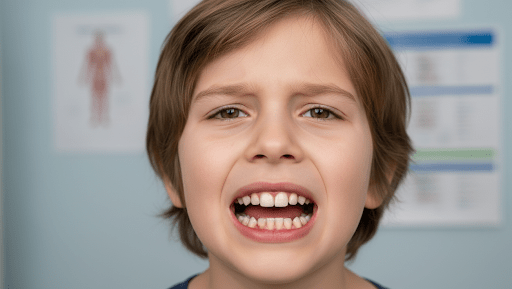
  • Crooked or overlapping teeth
  • Teeth that stick out
  • Gaps between teeth
  • Trouble biting or chewing
  • Early or late loss of baby teeth
  • Thumb sucking past age five
  • Mouth breathing
  • Jaw clicking or shifting
If you notice any of these, it’s a good idea to schedule an evaluation.

Early Orthodontic Treatment (Phase One)

Some children benefit from early treatment, often called Phase One orthodontics. This usually happens between ages 7 and 10 and may not involve full braces.
Instead, it can include:
  • Expanders
  • Space maintainers
  • Partial braces
  • Special appliances
The goal is to help the jaw grow properly and make room for adult teeth. This can reduce the need for more complex treatment later on.

What Happens If We Wait Too Long?

If orthodontic problems are ignored, they don’t usually fix themselves. In fact, they often get worse.
Delaying braces for kids may lead to:
  • More crowded teeth
  • Bite problems
  • Speech or chewing issues
  • Longer treatment later
  • Tooth extractions
Starting at the right time helps keep things simpler and healthier.

How Long Will My Child Need Braces?

On average, braces for kids last about 18 to 24 months, but this depends on how much correction is needed and how well your child follows instructions.
Good brushing, wearing rubber bands if needed, and coming to appointments on time all help keep treatment moving smoothly.

Why a Pediatric Dental Team Makes a Difference

Children do best when they feel safe and understood. A pediatric dental team knows how to work with kids, explain things in simple ways, and help nervous patients feel relaxed.
When kids are comfortable, they are more likely to cooperate, which leads to better results with braces.

How Bay Oaks Pediatric Dentistry Can Help

At Bay Oaks Pediatric Dentistry, we keep a close eye on how your child’s teeth and jaws are developing. We provide early evaluations and work with an orthodontic specialist to decide the best time for braces for kids.

Our goal is always the same: to help your child grow up with a healthy, confident smile in the easiest and most comfortable way possible.

Frequently Asked Questions

What is the best age for braces for kids?
Most children start braces between the ages of 9 and 14, when most permanent teeth have come in but the jaw is still growing. However, orthodontic evaluations should begin around age 7 to spot problems early.
No, not every child needs braces. Some children naturally develop straight teeth and a healthy bite. A dental evaluation can determine whether braces are needed or not.
Braces may cause mild soreness for a few days after they are placed or adjusted, but this usually goes away quickly. Most children adapt within a week.
Most kids wear braces for 18 to 24 months. The exact time depends on how severe the problem is and how well your child follows care instructions.
Yes, but some foods should be avoided, such as hard candy, popcorn, and sticky snacks. Soft foods, fruits, vegetables, pasta, and dairy products are safe.
Delaying treatment can lead to more crowded teeth, bite problems, and longer or more expensive treatment later in life.
Some children may notice minor changes at first, but speech usually returns to normal as they adjust to braces.

There is no single perfect age for braces, but early monitoring makes all the difference. By checking your child’s smile early and starting treatment at the right time, you give them the best chance for a strong, beautiful smile that lasts a lifetime.

If you have questions about your child’s teeth or think they may need braces, our team at Bay Oaks Pediatric Dentistry is here to help.