How Sedation Dentistry Makes Complex Dental Treatments Easier for Kids
How Sedation Dentistry Makes Complex Dental Treatments Easier for Kids
For many children, a trip to the dentist can feel overwhelming, especially when the treatment is more involved than a routine cleaning. Fear of unfamiliar tools, anxiety about discomfort, or difficulty sitting still can make even necessary dental procedures stressful for both kids and parents.
That’s where modern pediatric dental care has evolved. Today, dentists have safe and effective ways to help children feel calm, relaxed, and comfortable during treatment. One of the most trusted approaches is Sedation dentistry, which plays a key role in making complex procedures smoother and far less intimidating.
If you’ve ever worried about how your child will handle a dental visit, this guide will help you understand how sedation can transform that experience into something positive and manageable.
Why Some Children Struggle with Dental Treatments
Every child is different. While some are naturally at ease in a dental chair, others may feel anxious or fearful, and that’s completely normal.
Common Reasons for Dental Anxiety in Kids
- Fear of pain or discomfort
- Sensitivity to sounds, smells, or bright lights
- Previous negative experiences
- Difficulty staying still for long periods
- Special healthcare needs or sensory sensitivities
What Is Sedation Dentistry?
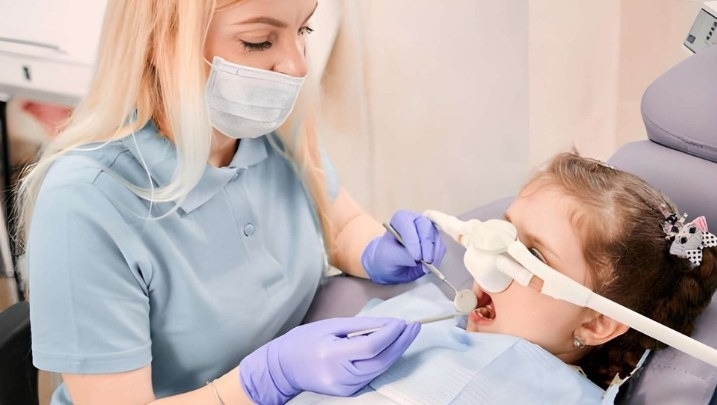
Sedation dentistry involves the use of medication to help patients relax during dental procedures. In pediatric dentistry, it’s carefully tailored to suit a child’s age, medical history, and level of anxiety.
Levels of Sedation Used in Pediatric Dentistry
Dentists may recommend different levels of sedation depending on the procedure:
Mild Sedation
- Helps children stay relaxed but fully awake
- Often used for minor procedures
Moderate Sedation
- Children may feel drowsy and less aware of the procedure
- Ideal for longer or slightly more complex treatments
Deep Sedation
- Used for extensive procedures or severe anxiety
- Children are closely monitored throughout
Each option is administered under strict safety protocols, ensuring your child’s comfort and well-being at all times.
How Sedation Makes Complex Treatments Easier
Sedation doesn’t just ease anxiety it also improves the overall dental experience in several important ways.
1. Reduces Fear and Anxiety
One of the biggest benefits is emotional comfort. When children feel calm, they are less likely to resist treatment or develop long-term dental fears.
2. Helps Kids Stay Still
Complex dental procedures often require precision. Sedation helps children remain still, allowing the dentist to work efficiently and safely.
3. Minimizes Discomfort
While local anesthesia manages pain, sedation helps reduce the perception of discomfort and creates a more relaxed experience overall.
4. Allows Multiple Treatments in One Visit
For children who need extensive dental work, sedation can make it possible to complete multiple procedures in a single appointment, reducing the need for repeated visits.
When Is Sedation Recommended for Children?
Not every child needs sedation, but it can be incredibly beneficial in certain situations.
Ideal Candidates Include:
- Children with high dental anxiety
- Kids requiring extensive or complex treatments
- Very young children who cannot sit still for long
- Patients with special needs or sensory challenges
- Children with a strong gag reflex
A pediatric dentist will always evaluate your child’s individual needs before recommending sedation.
What Parents Can Expect During the Visit
Understanding the process can help ease your own concerns as a parent.
Before the Appointment
- You’ll receive instructions about eating and drinking restrictions
- The dental team will review your child’s medical history
- Any questions or concerns will be addressed in advance
During the Procedure
- Your child will be comfortably seated and monitored throughout
- Sedation is administered in a controlled environment
- The dental team keeps a close eye on breathing, heart rate, and overall comfort
After the Treatment
- Your child may feel drowsy for a short time
- Recovery is usually quick, depending on the type of sedation used
- You’ll receive aftercare instructions to ensure a smooth recovery
Safety and Trust: What Parents Should Know
Safety is the top priority in pediatric dentistry. Sedation is administered by trained professionals who follow strict guidelines to ensure your child’s well-being.
Key Safety Measures Include:
- Thorough medical evaluation before treatment
- Age-appropriate dosing
- Continuous monitoring during the procedure
- Emergency preparedness and trained staff
When performed by experienced pediatric dental professionals, sedation is considered both safe and effective.
Building Positive Dental Experiences for the Future
One of the most overlooked benefits of sedation is its long-term impact. A comfortable, stress-free dental visit can shape how your child feels about oral care for years to come.
Why This Matters
- Reduces fear of future dental visits
- Encourages better oral hygiene habits
- Builds trust between your child and their dentist
Instead of associating dental care with fear, your child learns that it can be a calm and manageable experience.
Tips for Parents Preparing for a Sedation Appointment
A little preparation can go a long way in ensuring a smooth experience.
Helpful Tips:
- Talk to your child in a calm, reassuring tone
- Avoid using words that may trigger fear
- Follow all pre-appointment instructions carefully
- Bring a favorite toy or comfort item
- Plan for a relaxed day after the appointment
Your support and attitude can make a big difference in how your child feels.
Why Expertise Matters in Pediatric Sedation
Not all dental practices are the same. Choosing a pediatric dentist with experience in sedation techniques ensures your child receives the highest level of care.
Look for a practice that:
- Specializes in treating children
- Has trained and certified staff
- Uses child-friendly communication and techniques
- Prioritizes safety and comfort
This level of expertise builds trust and ensures a positive outcome.
Frequently Asked Questions (FAQs)
1. Is sedation safe for children during dental procedures?
Yes, when administered by trained professionals, sedation is safe and carefully monitored throughout the procedure.
2. Will my child be asleep during the treatment?
It depends on the level of sedation. Some children remain awake but relaxed, while others may be more deeply sedated.
3. How long does it take for sedation to wear off?
Recovery time varies, but most children return to normal within a few hours.
4. Can my child eat after the procedure?
Your dentist will provide specific instructions, but soft foods are usually recommended initially.
5. Is sedation necessary for every dental procedure?
No, it’s typically recommended only for children who need extra support due to anxiety or complex treatment needs.
Dental care doesn’t have to be a struggle for you or your child. With the right approach, even complex treatments can feel calm, comfortable, and manageable.
At Pediatric sedation dentistry, Houston, TX, the focus is always on creating a safe, supportive environment where children feel at ease. From gentle communication to advanced techniques, every step is designed with your child’s comfort in mind.
Schedule your child’s appointment today and discover how stress-free dental care can truly be.