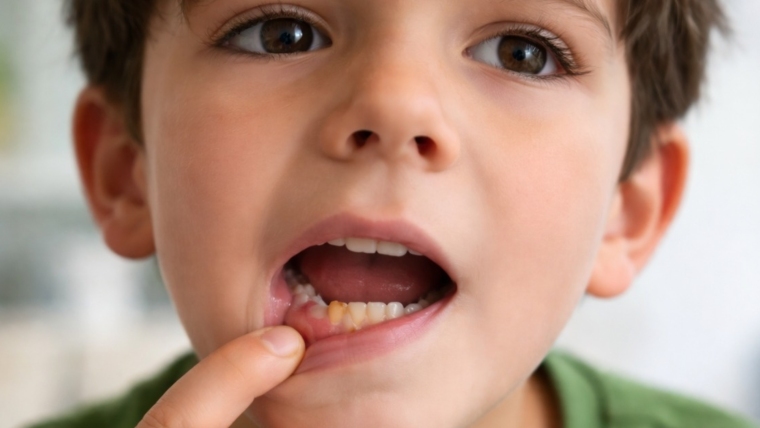

Early Signs of Gum Disease in Children Parents Should Never Ignore

Early Signs of Gum Disease in Children Parents Should Never Ignore

Healthy gums are just as important as healthy teeth when it comes to a child’s oral health. While many parents focus on cavities and tooth decay, gum health often receives less attention. However, gum disease can affect children too, and ignoring the early warning signs may lead to more serious dental problems over time.

Gum disease usually begins with mild symptoms that can be easy to overlook. What starts as minor gum irritation can gradually develop into more significant issues if not treated early. Recognizing the warning signs and seeking timely gum disease treatment can help protect your child’s oral health and prevent long-term complications.

In this guide, we’ll explore the early signs of gum disease in children, the common causes, and the steps parents can take for effective gum disease prevention for kids.

What Is Gum Disease in Children?

Gum disease, also known as periodontal disease, is an infection or inflammation of the tissues that support the teeth. In its early stage, it is called gingivitis, which is common and usually reversible with proper dental care.
When plaque and bacteria accumulate along the gumline, they can irritate the gums and cause inflammation. If this condition is not treated early, it may progress to more advanced gum disease that can affect the bone supporting the teeth.
Although severe gum disease is less common in children than in adults, pediatric dentists still see many cases of gingivitis. Early detection and proper gum disease treatment are essential to maintain healthy gums and teeth.

Why Gum Health Matters for Children

Gums play a critical role in supporting teeth and maintaining overall oral health. Healthy gums protect the roots of the teeth and help prevent bacteria from entering deeper tissues.
When gum disease develops in children, it can lead to:
  • Gum inflammation and discomfort
  • Persistent bad breath
  • Increased risk of tooth decay
  • Damage to supporting tissues
  • Long-term oral health problems

Early intervention and gum disease prevention for kids can help avoid these complications and keep children’s smiles healthy.

Early Signs of Gum Disease Parents Should Watch For

Recognizing the early symptoms of gum disease is one of the most important steps parents can take. Many signs are subtle at first but can worsen if left untreated.

Red or Swollen Gums

Healthy gums should appear pink and firm. If your child’s gums look red, puffy, or swollen, it may indicate inflammation caused by plaque buildup.
Swelling is often one of the earliest warning signs of gum disease in children.

Bleeding While Brushing or Flossing

Bleeding gums are not normal, even in children. If your child’s gums bleed during brushing or flossing, it could be a sign of gingivitis.
Bleeding occurs when plaque irritates the gum tissue, making it more sensitive and prone to inflammation. Seeking early gum disease treatment can help reverse this condition before it progresses.

Persistent Bad Breath

Occasional bad breath is common in children, especially after eating certain foods. However, persistent bad breath may indicate bacterial buildup in the mouth.
Bacteria trapped in plaque and gum pockets can produce unpleasant odors, making chronic bad breath a possible sign of gum disease.

Gum Sensitivity or Discomfort

Children with early gum disease may complain about tenderness or discomfort while brushing or eating.
Even mild irritation should not be ignored, as it may indicate underlying gum inflammation that requires professional care.

Receding Gumline

In some cases, gum disease can cause the gums to pull away from the teeth. This condition is called gum recession.
If your child’s teeth appear longer than usual or if the gums seem to be shrinking away from the teeth, it is important to consult a dentist for evaluation.

Plaque and Tartar Buildup

Plaque is a sticky film of bacteria that forms on the teeth throughout the day. When plaque is not removed through brushing and flossing, it can harden into tartar.
Tartar buildup along the gumline can irritate the gums and contribute to gum disease. Professional cleaning and gum disease treatment may be needed to remove hardened deposits.

What Causes Gum Disease in Children?

Several factors can contribute to gum disease in children. Understanding these causes can help parents take proactive steps toward prevention.

Poor Oral Hygiene

Inadequate brushing and flossing allow plaque and bacteria to accumulate on teeth and gums. Over time, this buildup can lead to inflammation and infection.
Teaching children proper brushing techniques is essential for gum disease prevention for kids.

High Sugar Diet

Frequent consumption of sugary snacks and drinks can encourage bacterial growth in the mouth. These bacteria produce acids that irritate the gums and contribute to plaque formation.
Maintaining a balanced diet can help protect both teeth and gums.

Orthodontic Appliances

Braces and other orthodontic devices can make it harder for children to clean their teeth properly. Food particles may become trapped around brackets and wires, increasing the risk of plaque buildup.
Regular dental visits and good oral hygiene are important for children undergoing orthodontic treatment.

Hormonal Changes

As children grow, hormonal changes may increase gum sensitivity and make them more prone to inflammation.
This is particularly common during puberty, when gums may react more strongly to plaque.

How Pediatric Dentists Diagnose Gum Disease

Pediatric dentists are trained to detect early signs of gum disease during routine dental visits.

Diagnosis typically includes:
  • Gum Examination: Checking for redness, swelling, and bleeding
  • Plaque Assessment: Evaluating plaque and tartar buildup
  • Medical and Dental History Review: Understanding potential contributing factors
Early diagnosis allows dentists to recommend appropriate gum disease treatment before the condition becomes more serious.

Gum Disease Treatment Options for Children

Treatment for gum disease depends on the severity of the condition. In many cases, early-stage gingivitis can be reversed with simple dental care.

Professional Dental Cleaning

Professional cleanings remove plaque and tartar buildup that cannot be eliminated with regular brushing alone.
This is often the first step in gum disease treatment.

Improved Oral Hygiene Routine

Pediatric dentists often guide children and parents on proper brushing and flossing techniques.

Antibacterial Treatments

In some cases, dentists may recommend antimicrobial rinses or medications to reduce bacteria and inflammation.

Ongoing Monitoring

Regular dental visits help ensure that gum health improves over time. Dentists may monitor the gums closely to prevent the condition from returning.

Tips for Gum Disease Prevention for Kids

Preventing gum disease begins with consistent oral hygiene and healthy habits.
Parents can support their child’s gum health by encouraging:
  • Brushing twice daily with fluoride toothpaste
  • Flossing once a day
  • Limiting sugary snacks and beverages
  • Drinking plenty of water
  • Visiting the dentist regularly for checkups and cleanings
These habits are key to effective gum disease prevention for kids and long-term oral health.

Why Early Treatment Is Important

Ignoring the early signs of gum disease can allow the condition to worsen over time. Untreated gum inflammation may eventually affect the supporting structures of the teeth.
Seeking prompt gum disease treatment ensures that children receive the care they need to maintain healthy gums and avoid more complex dental issues later.

Frequently Asked Questions (FAQs)

Can children really get gum disease?
Yes. While severe gum disease is more common in adults, children can develop gingivitis if plaque builds up along the gumline.
Bleeding gums during brushing or flossing is one of the most common early signs.
Yes. Early-stage gum disease (gingivitis) is usually reversible with proper dental care and improved oral hygiene.
Most children should visit the dentist every six months for routine checkups and cleanings.
Parents should consult a dentist if their child has persistent gum redness, swelling, bleeding, or bad breath.
Protecting your child’s gums is an essential part of maintaining a healthy smile. By recognizing early warning signs and prioritizing gum disease prevention for kids, parents can help their children avoid discomfort and long-term dental problems.

If your child is showing symptoms of gum inflammation or bleeding gums, seeking professional gum disease treatment in Clear Lake, TX can ensure they receive expert care and guidance from experienced pediatric dental professionals.