How Early Gum Problems Can Lead to Bigger Dental Issues
How Early Gum Problems Can Lead to Bigger Dental Issues
When parents think about their child’s dental health, they usually focus on cavities and straight teeth. But one of the most important parts of a healthy smile often gets overlooked – the gums. Gums may seem simple, but they play a major role in holding teeth in place and protecting the mouth from infection.
Early gum problems in children might not seem serious at first. A little redness or bleeding can be easy to ignore. However, these small warning signs can grow into much bigger dental issues if they are not treated early. Understanding how gum health affects the entire mouth can help parents take action before problems get worse.
What Are Early Gum Problems?
- Red or swollen gums
- Bleeding during brushing or flossing
- Bad breath
- Tenderness along the gums
At this stage, gum disease can usually be reversed with proper care. But if left untreated, it can turn into more serious periodontal disease.
Why Gum Health Matters for Children
- How adult teeth come in
- How teeth stay aligned
- Overall oral health
- Even general health in some cases
How Small Gum Problems Become Bigger Issues
Early gum problems often start quietly. There may be no pain, so children and parents might not realize anything is wrong. But over time, untreated gum disease can lead to serious dental complications.
1. Gum Recession
When gums stay inflamed, they can slowly pull away from the teeth. This is called gum recession. As the gums move back, more of the tooth is exposed, which can lead to:
- Sensitivity
- Higher risk of cavities
- An unhealthy appearance
Once gums recede, they do not grow back easily.
2. Tooth Decay Near the Gumline
3. Bone Damage
4. Bad Breath That Won’t Go Away
5. Bite and Alignment Problems
When gums and bone are damaged, teeth may shift. This can lead to bite problems, crooked teeth, and the need for orthodontic treatment later on.
Why Kids Are at Risk
- Incomplete brushing and flossing
- Sugary diets
- Mouth breathing
- Crowded or crooked teeth
- Braces or orthodontic appliances
- Family history of gum disease
Signs Parents Should Watch For
- Gums that bleed when brushing
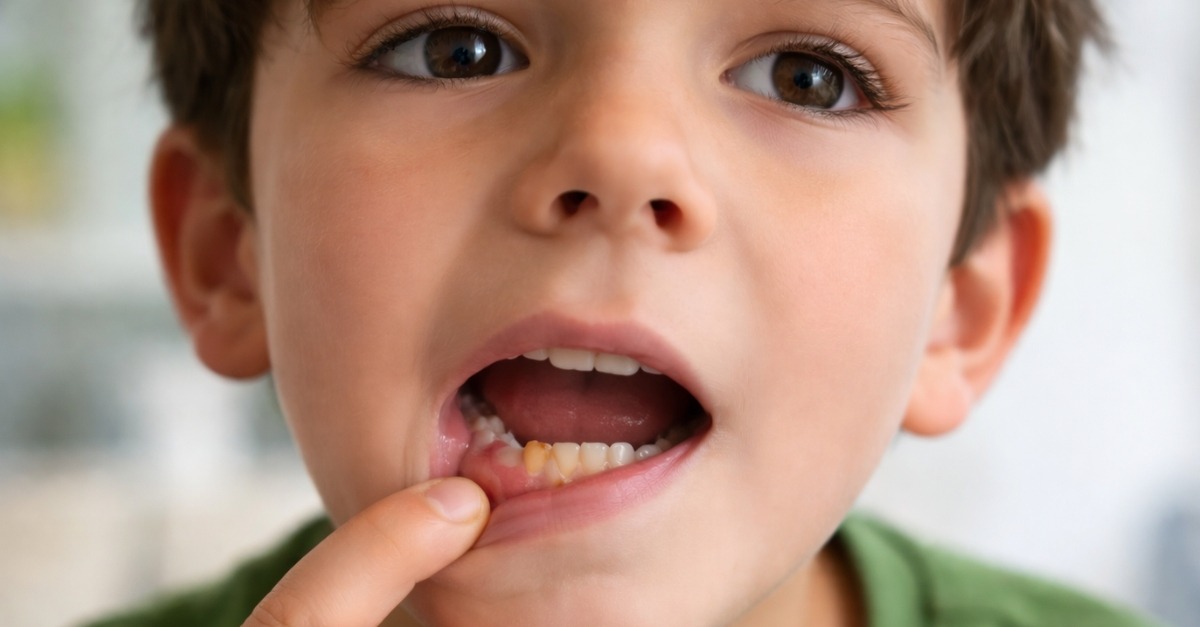
- Red, puffy, or shiny gums
- Bad breath
- Gums pulling away from teeth
- Pain or tenderness
How Early Treatment Helps Prevent Bigger Problems
- Reduce inflammation
- Remove harmful bacteria
- Protect the bone and gums
- Prevent tooth damage
How to Protect Your Child’s Gums
Brush and floss daily
Eat a healthy diet
Keep dental visits regular
Watch orthodontic care
Frequently Asked Questions About Children’s Gum Health
Are gum problems common in children?
Why do my child’s gums bleed when brushing?
Can gum problems affect my child’s adult teeth?
How can I tell if my child has gum disease?
What happens if gum disease is not treated?
Early gum problems may seem small, but they can lead to serious dental issues if ignored. Healthy gums are the foundation of a healthy smile. By paying attention to warning signs and keeping up with regular dental care, you can protect your child from pain, tooth loss, and future dental treatments.
If you ever have concerns about your child’s gum health, the caring team at Bay Oaks Pediatric Dentistry is always here to help.