Common Pediatric Dental Emergencies and How to Handle Them
Common Pediatric Dental Emergencies and How to Handle Them
ental emergencies can be stressful for anyone, but when they involve children, they can feel especially overwhelming for parents and caregivers. Kids are naturally active, curious, and sometimes unaware of risks, which makes dental injuries and sudden oral pain more common than many families expect. Knowing how to recognize a pediatric dental emergency and respond quickly can make a significant difference in relieving pain, preventing complications, and even saving a child’s tooth.
This comprehensive guide explains the most common pediatric dental emergencies, what causes them, how to handle them at home initially, and when it’s essential to seek professional dental care. At BayOaks Pediatric Dentistry and Orthodontics, the focus is on helping families stay prepared and confident during dental emergencies, ensuring children receive timely and compassionate care when every minute matters.
What Is a Pediatric Dental Emergency?
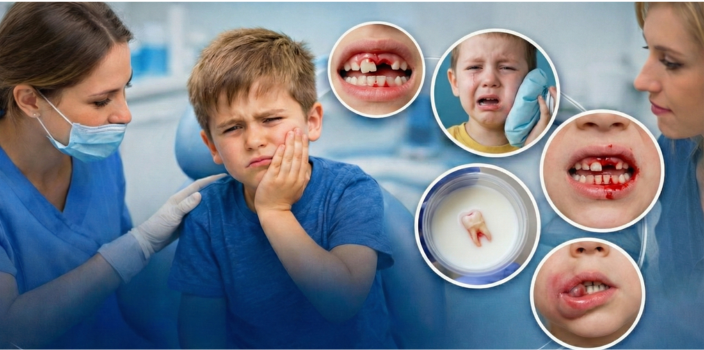
A pediatric dental emergency is any oral health issue that requires immediate attention to relieve pain, stop bleeding, prevent infection, or protect a child’s teeth and gums from permanent damage.
Examples of Dental Emergencies in Children
- Severe toothache or dental pain
- Knocked-out (avulsed) tooth
- Chipped, cracked, or broken tooth
- Dental abscess or swelling
- Bleeding gums or mouth injuries
- Object stuck between teeth
- Jaw or facial trauma
Not every dental problem is an emergency, but when pain, bleeding, swelling, or trauma is involved, prompt care is crucial.
Why Pediatric Dental Emergencies Are Common
Children are more prone to dental emergencies due to:
- Sports and playground injuries
- Falls while learning to walk or run
- Biting hard foods or objects
- Poor oral hygiene leading to decay
- Bruxism (teeth grinding)
- Accidents at school or home
Common Pediatric Dental Emergencies and How to Handle Them
Severe Toothache
Possible Causes
- Tooth decay
- Infection or abscess
- Food trapped between teeth
- Gum inflammation
What to Do
- Rinse the child’s mouth gently with warm salt water
- Use dental floss to remove any trapped food
- Apply a cold compress to reduce swelling
- Avoid placing aspirin directly on the tooth or gums
Knocked-Out Tooth (Avulsed Tooth)
What to Do Immediately
- Stay calm and act quickly
- Pick up the tooth by the crown (not the root)
- Rinse gently with water if dirty (do not scrub)
- If possible, place the tooth back into the socket
- If not, store it in milk or saline solution
- Seek emergency dental care immediately
Chipped, Cracked, or Broken Tooth
What to Do
- Rinse the mouth with warm water
- Save any broken tooth fragments
- Apply a cold compress to reduce swelling
- Avoid chewing on the affected side
Dental Abscess
Warning Signs
- Severe tooth pain
- Swelling in the face or gums
- Fever
- Bad taste in the mouth
- Pus around the tooth
What to Do
- Rinse with warm salt water
- Do not attempt to drain the abscess
- Seek immediate professional dental care
Bleeding Gums or Oral Injuries
What to Do
- Rinse gently with water
- Apply clean gauze with gentle pressure
- Use a cold compress to reduce swelling
If bleeding does not stop after 10-15 minutes or the injury is severe, emergency dental care is recommended.
Object Stuck Between Teeth
What to Do
- Use dental floss carefully
- Avoid sharp tools or toothpicks
- Do not force the object out
Jaw or Facial Trauma
What to Do
- Apply a cold compress
- Stabilize the jaw if possible
- Seek immediate medical and dental evaluation
When to Seek Emergency Dental Care
Contact a pediatric emergency dentist if your child experiences:
- Persistent or severe pain
- Uncontrolled bleeding
- Facial swelling
- Knocked-out or loose tooth
- Signs of infection
- Trauma to the mouth or jaw
Preventing Pediatric Dental Emergencies
Prevention Tips
- Schedule regular dental checkups
- Encourage proper brushing and flossing
- Use mouthguards during sports
- Avoid hard candies and chewing ice
- Childproof your home for younger children
Why Prompt Professional Care Matters
- Relieve pain quickly
- Prevent infections from spreading
- Save natural teeth
- Reduce the need for complex procedures
- Protect long-term oral health
Frequently Asked Questions
What qualifies as a pediatric dental emergency?
Should I go to the ER or a pediatric dentist for a dental emergency?
What should I do if my child has a toothache at night?
Can a knocked-out baby tooth be saved?
How quickly should my child see a dentist after a dental injury?
Dental emergencies can happen anytime, but knowing how to respond makes all the difference. Parents who understand common pediatric dental emergencies and take quick action can protect their child’s comfort, safety, and smile. Seeking care from the Best Pediatric Emergency Dentistry in Clear Lake, Houston ensures children receive expert treatment in urgent situations, helping families navigate dental emergencies with confidence and peace of mind.