Why Early Preventive Dental Care Is Essential for Special Needs Children
Why Early Preventive Dental Care Is Essential for Special Needs Children
Early preventive dental care is the foundation of lifelong oral health for every child, but for children with special needs, it is especially critical. Children with physical, developmental, sensory, cognitive, or behavioral conditions often face unique challenges that increase their risk for dental problems. These challenges may include difficulty maintaining oral hygiene, dietary limitations, medication side effects, or anxiety during dental visits.
Preventive dentistry focuses on stopping dental issues before they start. When introduced early and consistently, preventive care can reduce pain, prevent complex treatments, and create positive dental experiences for special needs children. At BayOaks Pediatric Dentistry and Orthodontics, early preventive dental care is designed to support each child’s unique needs in a compassionate and comfortable environment. This article explores why early preventive dental care matters, the common oral health challenges special needs children face, and how parents and caregivers can support a healthy smile from an early age.
Understanding Special Needs Dentistry
Special needs dentistry is a specialized branch of dental care designed to support children with medical, developmental, physical, sensory, or behavioral conditions. These may include autism spectrum disorder (ASD), Down syndrome, cerebral palsy, ADHD, sensory processing disorders, genetic conditions, and other health-related challenges.
Pediatric dentists trained in special needs dentistry understand that traditional dental approaches may not always be effective. They focus on personalized care, behavioral guidance, sensory-friendly environments, and preventive strategies that address each child’s unique needs.
Why Special Needs Children Are at Higher Risk for Dental Problems
Children with special healthcare needs often experience higher rates of cavities, gum disease, enamel defects, and oral infections. Several factors contribute to this increased risk.
Challenges with Oral Hygiene
Some children may have difficulty brushing or flossing due to limited motor skills, muscle tone issues, or sensory sensitivities. Others may resist oral care altogether because of discomfort or fear.
Dietary Factors
Special diets, frequent snacking, or reliance on soft or carbohydrate-rich foods can increase the risk of tooth decay. Some children may require liquid medications or supplements that contain sugar.
Medication Side Effects
Many medications used to manage medical or behavioral conditions can reduce saliva flow, leading to dry mouth. Saliva plays a crucial role in protecting teeth, so reduced saliva increases cavity risk.
Behavioral and Sensory Sensitivities
Dental visits can be overwhelming for children who are sensitive to bright lights, sounds, textures, or unfamiliar environments. This can make routine dental care more challenging without preventive planning.
The Importance of Early Preventive Dental Care
Preventive dental care aims to protect teeth and gums before problems develop. For special needs children, early prevention offers both health and emotional benefits.
Prevents Tooth Decay and Gum Disease
Regular dental checkups, professional cleanings, fluoride treatments, and sealants significantly reduce the risk of cavities and gum disease. Preventive care helps catch early signs of decay before they progress into painful or complex conditions.
Reduces the Need for Invasive Procedures
When dental issues are detected early, treatment is often simple and minimally invasive. Preventive care helps children avoid advanced procedures such as extractions, crowns, or sedation dentistry whenever possible.
Supports Proper Oral Development
Healthy baby teeth play an important role in speech development, nutrition, and guiding permanent teeth into proper alignment. Preventing early tooth loss helps maintain healthy oral development.
Builds Comfort and Familiarity with Dental Visits
Early preventive visits allow children to become familiar with the dental environment in a low-stress setting. Over time, this familiarity reduces anxiety and builds trust with the dental team.
When Should Preventive Dental Care Begin?
Preventive dental care should begin early, often earlier than many parents realize.
First Dental Visit
The American Academy of Pediatric Dentistry recommends that children see a dentist by their first birthday or within six months of their first tooth erupting. For children with special needs, early visits are especially important to establish individualized care plans.
Regular Checkups
Most children benefit from dental visits every six months, though some special needs children may require more frequent visits based on their risk level.
Early Home Care Education
Key Preventive Dental Services for Special Needs Children
Preventive dentistry includes a variety of services tailored to each child’s needs and comfort level.
Dental Cleanings and Exams
Professional cleanings remove plaque and tartar that brushing alone cannot eliminate. Exams allow dentists to monitor oral development and identify concerns early.
Fluoride Treatments
Dental Sealants
Sealants are thin protective coatings applied to the chewing surfaces of molars. They act as a barrier against bacteria and food particles, significantly reducing cavity risk.
Oral Health Monitoring
Creating a Positive Preventive Care Experience
Sensory-Friendly Environments
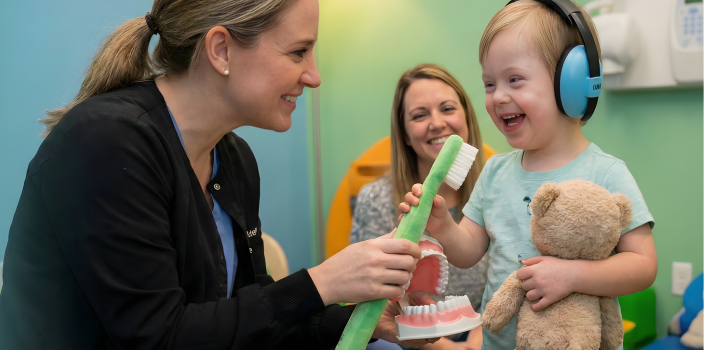
Many pediatric dental offices offer quiet rooms, dimmed lighting, weighted blankets, or noise-reducing headphones to support children with sensory sensitivities.
Behavioral Guidance Techniques
Dentists may use tell-show-do methods, visual aids, or positive reinforcement to help children feel more comfortable during visits.
Individualized Care Plans
The Role of Parents and Caregivers in Prevention
Daily Oral Hygiene Support
Helping children brush twice daily with fluoride toothpaste and assisting with flossing when possible is essential. Adaptive toothbrushes or electric toothbrushes may improve effectiveness.
Healthy Dietary Habits
Limiting sugary snacks and drinks, encouraging water intake, and following dentist-recommended dietary guidelines help protect teeth.
Consistent Dental Visits
Long-Term Benefits of Early Preventive Dental Care
Improved Overall Health
Increased Confidence and Quality of Life
A healthy smile supports self-esteem, social interaction, and comfort in daily activities such as eating and speaking.
Reduced Dental Anxiety Over Time
Why Specialized Dental Care Makes a Difference
Choosing a dental provider experienced in special needs care ensures that preventive strategies are effective and compassionate. A trusted dental team works closely with families to adapt care approaches, communicate clearly, and prioritize the child’s comfort at every visit
Frequently Asked Questions
What is preventive dental care for special needs children?
How often should special needs children visit the dentist?
Are dental visits stressful for special needs children?
Can preventive care reduce the need for sedation dentistry?
How can parents help with preventive dental care at home?
Early preventive dental care can make a lifelong difference for children with special needs. If your child requires compassionate, personalized dental care, schedule a preventive dental visit today. Working with a special needs dentist in Clear Lake, Houston, ensures your child receives expert care in a supportive environment that prioritizes comfort, safety, and long-term oral health. Contact a trusted pediatric dental team to take the first step toward a healthier smile.